Learn moreabout these curricula and take advantage of the savings today. Because just like summer, it’ll be over before you know it!
Supporting Educators Preparing for the New Academic Year
Nationwide, educators and other school staff are returning to classrooms – or are thinking about it – ready to plan for the new academic year. It’s a time to clean and decorate classrooms, attend meetings and orientations, organize lesson plans, and prepare for the return of students with name tags, ice breakers, and all of the fun activities in the year ahead.
Many students will return sun-kissed and carefree, giggling as they share stories about summer escapades. Other students are just relieved to return to the classroom – grateful for an escape from the stress, worry & unpredictability related to parental addiction. Educators don’t need a counseling degree to make a difference for these students, just an understanding of the burden and shame they try to hide — and what small, consistent things make a difference.
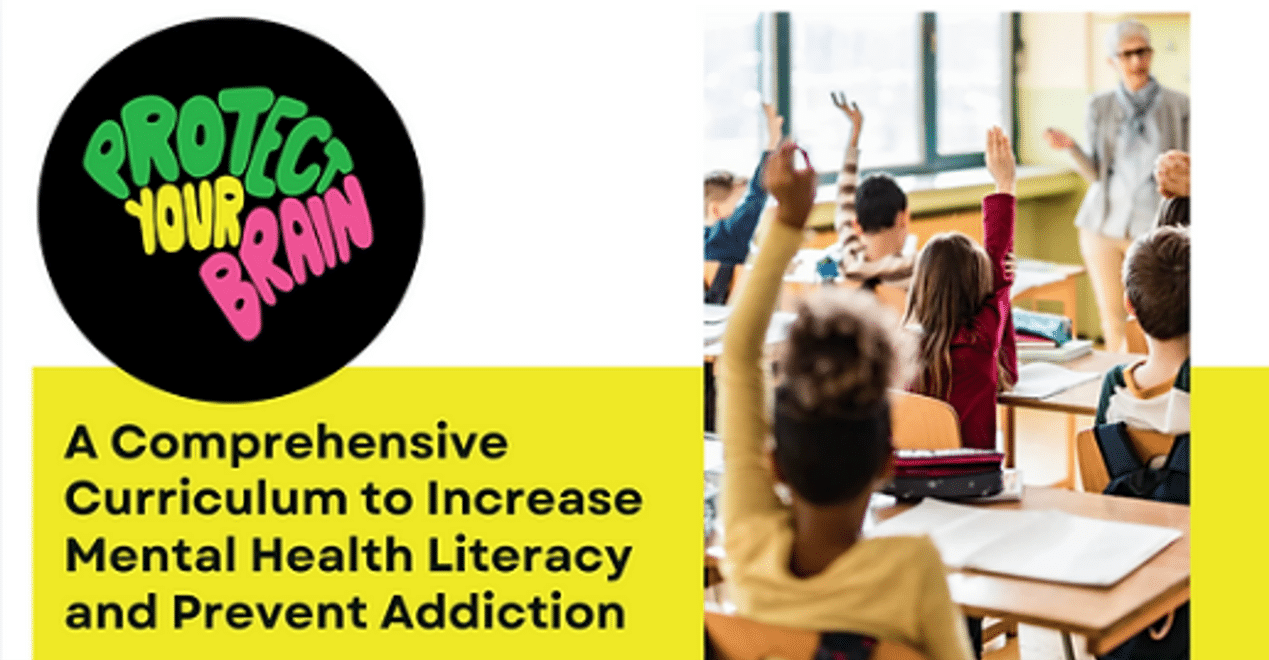
NACoA is excited to share a new FREE educational resource: Protect Your Brain, a self-paced 20-minute online course designed to help youth and community members better understand brain health and the impact of substance use.
Available in both English and Spanish, the online course provides engaging, science-based information about what a substance use disorder is, brain health, risk and protective factors for the development of a substance use disorder and offers practical strategies for supporting healthy decision-making.
Explore and share this resource with family, friends, colleagues, and community members. To access:
Together, we can help build healthier communities through education and prevention.
NACoA is a partner of the Protect Your Brain Campaign, which is focused on sharing prevention materials to youth, caregivers, and those who work with youth to help support prevention and healthy choices.
NACoA in Nashville
One City, One Week, Two Important Court-Focused Conferences
During the week, NACoA continues to commit to build smarter, more compassionate systems for families impacted by substance use involved in the court system. NACoA’s Director of Innovation, Stacee Read attended. NACoA’s Celebrating Families! whole family recovery program was designed with court involvement in mind and nationally recognized to be a family treatment court best practice by servicing the needs of the child and family.
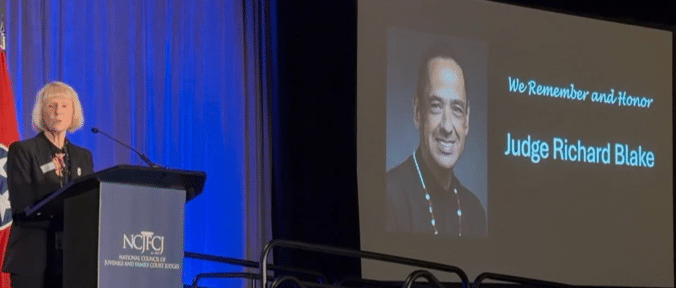
National Council of Juvenile and Family Court Judges’ (NCJFCJ) 89th Annual Conference
July 19–22
AllRise RISE26
July 20–23
AllRise – formally known as the National Association for Drug Court Professionals (NADCP) – hosts the field’s premier gathering on addiction, mental health, and justice innovation. RISE is where treatment courts and justice-involved systems come together to tackle substance use and mental health at every stage of the justice pipeline.
Substance Use Patterns From Late Childhood to Mid-Adolescence: Updates on the Adolescent Brain Cognitive Development Study
Drug and Alcohol Dependence Reports Volume 20, September 2026
The study examined substance use among 11,880 participants in the Adolescent Brain Cognitive Development (ABCD) Study, the largest long-term study of brain development and child health in the U.S. By age 16, 38% of participants reported having used at least one substance during their lifetime.
Use was found to be increasing, with highest prevalence observed for alcohol, cannabis, and nicotine, respectively.
Researchers also found notable differences between boys and girls. Boys reported higher rates of substance use before age 12, and girls reported higher rates of substance use beginning around age 13.
These findings shed more light on when substance use starts during adolescence and how it may affect brain development, mental health, and other long-term health outcomes.
The ABCD Study was funded and led by the National Institutes of Health (NIH), specifically through the Collaborative Research on Addiction at NIH (CRAN) and partner institutes.
The National Survey on Drug Use and Health (NSDUH) provides up-to-date information on tobacco, alcohol, and drug use, mental health and other health-related issues in the United States.
NSDUH began in 1971 and is conducted every year in all 50 states and the District of Columbia. This year almost 70,000 people were interviewed for this important study. Information from NSDUH is used to support prevention and treatment programs, monitor substance use trends, estimate the need for treatment and inform public health policy.
Read the SAMHSA blog Using Data to Drive the Great American Recovery by Timothy Westlake, M.D., FACEP, Chief of Staff, SAMHSA – July 27, 2026.
Research Opportunity:
ACOA Study on Shame and Family Relationships
NACoA values research and promotes the investigation of the impact of parental substance use on children and families and interventions to help. Brynn Greene, a doctoral student in Clinical Psychology at Spalding University and an ACOA (adult child impacted by the disease of addiction in her childhood) herself, is conducting IRB-approved dissertation research on how childhood family relationships may relate to feelings of shame in adulthood among ACOAs. The survey is anonymous and open to U.S. adults (18+) who identify as an ACOA or believe they may be one. Continued research on the ACOA experience is essential to building the evidence base that shapes better support, treatment, and awareness for this community. NACoA is proud to support studies like this one and encourages participation and sharing this opportunity as needed.
Deflection is done at the intersection of public safety and public health in the community. Tremendous deflection work could be happening in your area right now, to save lives, promote recovery, save taxpayer dollars, reduce substance misuse and substance-related crime. When communities offer intervention programs rather than solely relying on the justice systems, the emphasis shifts to safety, support, and connecting families to meaningful resources. Healthier individuals and families make healthier communities, and deflection can be a power tool to help accomplish this.
NACoA is a proud parter with PTACC – the Police, Treatment, and Community Collaborative, an alliance of practitioners in law enforcement, behavioral health, community, advocacy, research, and public policy, whose mission is to strategically widen community behavioral health and social service options available through law enforcement diversion. The purpose of PTACC is to provide vision, leadership, advocacy, and education to facilitate the practice of pre-arrest diversion across the United States. Learn more about here: