NACoA March 2025 News
NACoA March 2025 Newsletter! Celebrating Families! 2025 Edition to be Released in April NACoA is pleased to announce our significant programmatic update for the Celebrating Families! curriculum. Following the successful
NACoA March 2025 Newsletter! Celebrating Families! 2025 Edition to be Released in April NACoA is pleased to announce our significant programmatic update for the Celebrating Families! curriculum. Following the successful

As we observe Problem Gambling Awareness Month (PGAM) this March 2025, it's crucial to shed light on the escalating issue of problem gambling, especially among individuals from families predisposed to
The Good News About Overdose Deaths in the U.S.The CDC just reported a 24% decline in U.S. drug overdose deaths. By Mark S GoldPublished by Psychology Today on March 4,
Early Adversity’s Rippling EffectsAdverse Childhood Experiences in Firstborns & Mental Health Risk & Health-Care Use In Siblings: A Population-Based Birth Cohort Study Of Half A Million Children in England The
Much Appreciation for COA Week 2025! NACoA is so grateful to everyone who cares about kids and teens who are impacted by the disease of addiction and are helping to

During the International COA Awareness Week 2025, NACoA is proud to announce the U.S. launch of the revolutionary i am me App, developed by mental health advocate Claire Libby BA,
NACoA February 2025 Newsletter! During COA Awareness Week, we can work together to shine a light on hidden hurts so that kids and teens around the world can find hope
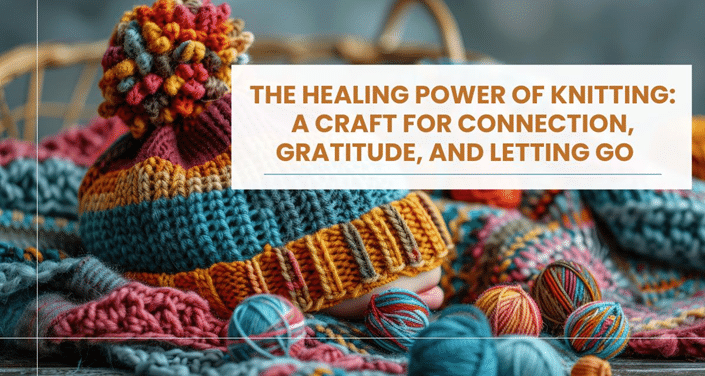
Knitting is more than just a craft—it’s a meditative and therapeutic practice that can bring comfort, connection, and joy to families. For children of parents with a substance use disorder,

When a parent’s substance use disorder (SUD) impacts custody situations, the emotional and practical stakes are high. For parents, caregivers, and loved ones navigating these challenging situations, ensuring children’s safety
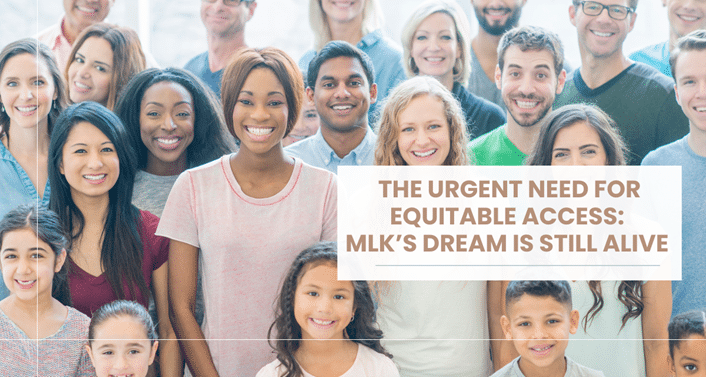
While there are countless victories achieved by those in recovery, we cannot ignore the significant gaps that remain in our treatment and recovery systems. At the National Association for Children