Healing Deep-Seated Shame: Pathways to Emotional Freedom
Shame is the painful feeling that something about you is fundamentally wrong or unworthy. Guilt is usually about an action; shame can make a person question their worth. Adults who

Shame is the painful feeling that something about you is fundamentally wrong or unworthy. Guilt is usually about an action; shame can make a person question their worth. Adults who

ALCOHOL AWARENESS MONTH:Why Alcohol at Children-Focused Celebrations? Alcohol Awareness Month serves as a crucial time to reflect on how alcohol is presented at events attended by children, emphasizing the importance
ACOA ONLINE EDUCATION AND DISCUSSION GROUP MONTHLY MEETINGS FACILITATED BY NACOA & COLLEEN PERRY Thursday, April 11th at 6 pm ET Topic: Being a Child, What It Feels Like and
NACoA Contributing to the DLH Deflection Data Center of Excellence (D3CoE) Inaugural Advisory Board The gathering brought together some of the nation's top deflection leaders, including people with lived

THE HIDDEN BRACKET:The Impact of Gambling During March Madness on Children As March Madness captures the attention of countless basketball fans, the excitement of brackets, betting pools, and game predictions

ENJOY A FAMILY-FRIENDLY ST. PATRICK'S DAY THIS YEAR! How Drinking Hijacked a Cultural Holiday Once upon a time, St. Patrick’s Day celebrated Saint Patrick on the anniversary of the day he
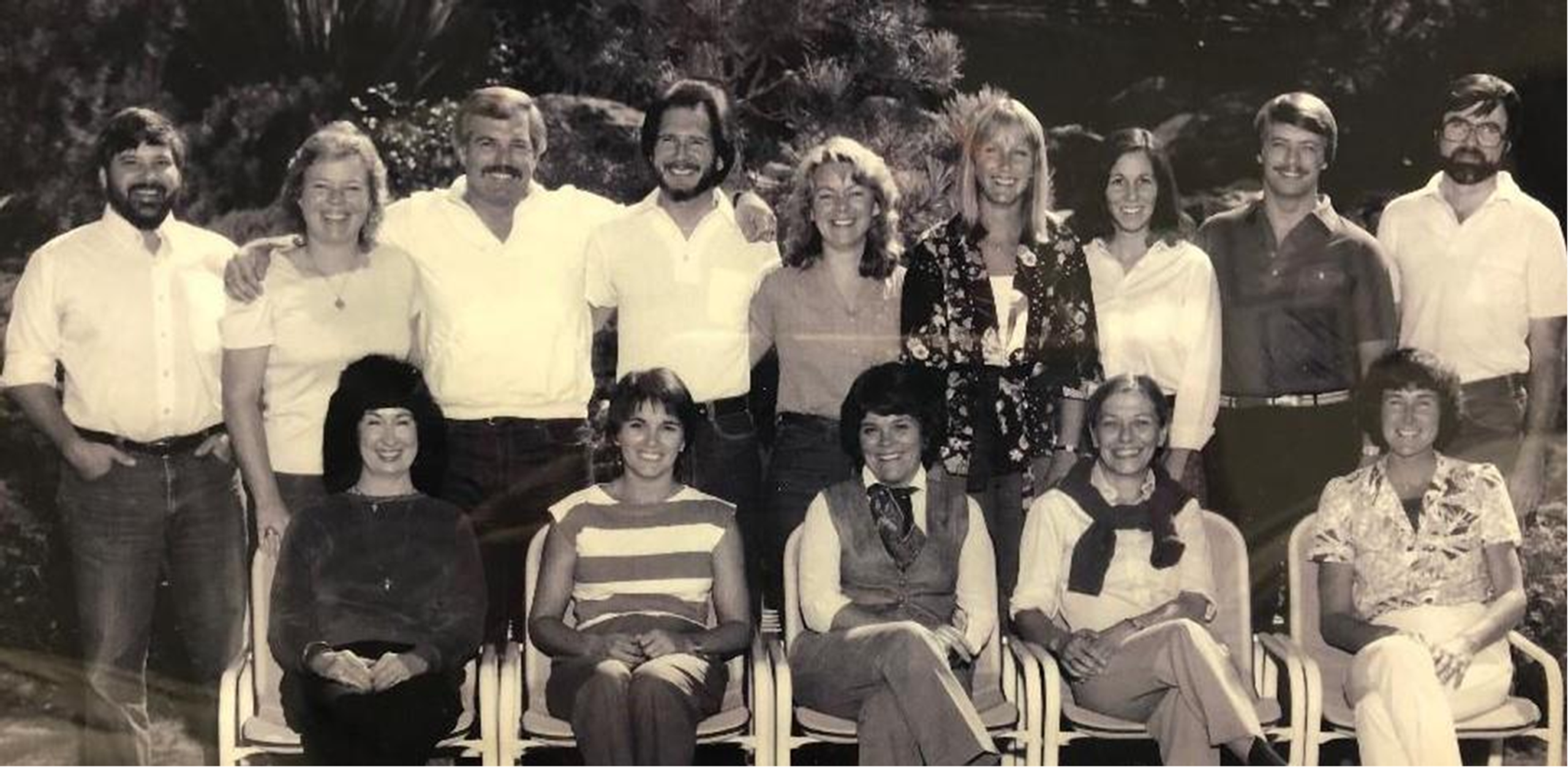
WOMEN'S HISTORY MONTH:Recognizing Amazing Women Yesterday, Today, and Tomorrow In the spirit of Women’s History Month, the National Association for Children of Addiction (NACoA) takes great pleasure in celebrating the
NACoA is so grateful to everyone who took part in this year’s COA Awareness Week to help support kids and teens who are impacted by the disease of addiction in

THE SIGNIFICANCE OF COA AWARENESS WEEK:From an Adult Child Who’s Been There Thoughts about COA Awareness Week, take me back to my turbulent childhood. Being an adult child of an
COA Awareness Week honors the struggle of children dealing with the disease of addiction in their families and empowers caring adults who want to help them. These children are so