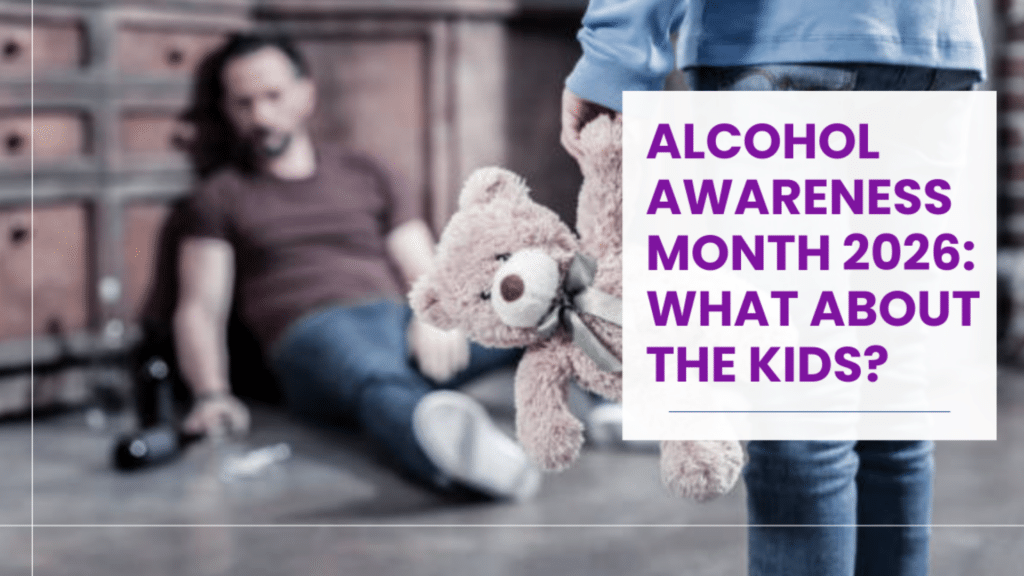
Every April, Alcohol Awareness Month encourages us to talk more openly about alcohol, alcohol use disorder and its impact on individuals, families, and communities. But in these conversations, one group is still too often overlooked: the children.
Millions of children in the United States – 1 in 4 kids – grow up in families affected by alcohol or substance use disorder. These young people often carry confusion, worry, and stress that few adults fully see.
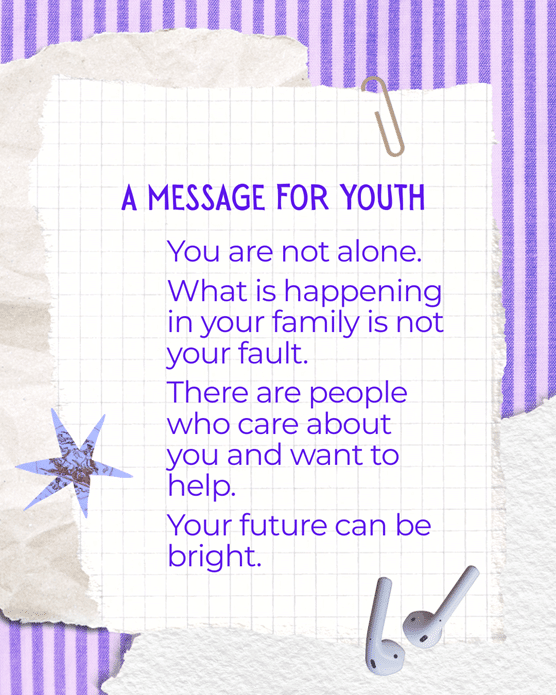
Many children believe they are the only ones going through this.
One of the most powerful moments in educational support groups designed specifically for children impacted by the disease of addiction is when a child realizes that others share similar experiences. The sense of relief in the room is almost immediate. The isolation begins to lift.
What Children Notice
Children are remarkably perceptive. Even when adults try to hide alcohol misuse, kids notice when things feel unpredictable, tense, or unsafe.
They notice broken promises, sudden mood changes, and shifting rules in the household. They notice when adults avoid talking about alcohol or substance use, and they often fill in the gaps with their own explanations.
Many children quietly begin to believe that the drinking is somehow their fault.
Others take on responsibilities far beyond their years—trying to keep peace in the home, protecting younger siblings, or worrying constantly about a parent’s safety. Some withdraw and become quiet. Others act out in school or at home.
What adults often interpret as “behavior problems” are frequently survival strategies. Children are doing the best they can to cope with circumstances they cannot control.
The Power of Protective Factors
The good news is that research consistently shows children are remarkably resilient—especially when protective factors are present in their lives.
Protective factors can include:
• A caring, consistent safe adult who listens and believes them • Safe spaces where they can talk openly about what is happening at home • Age-appropriate education about alcohol, the disease of addiction and recovery • Opportunities to learn healthy coping skills • Connections with peers who share similar experiences • A sense of hope for their future
Even a single supportive adult can make a profound difference in a child’s life.
At the heart of NACoA’s mission – to eliminate the adverse impact of alcohol and substance use on children and families – are caring adults. They live this mission by helping children affected by parental addiction understand that they are not alone, that addiction is not their fault, and that help and hope are available.
What We Can Do
Alcohol Awareness Month is an opportunity to not only to talk about alcohol, alcohol misuse and addiction, but also to ensure that children are included in the conversation. It’s important for parents and other caring adults to help kids and teens become more knowledgeable about alcohol. The American Academy of Pediatrics assures: “Kids care very much about what their parents think—and are much more open to talking about alcohol use than you might imagine. In fact, research shows that parents are the #1 reason kids decide not to drink.”
Parents, educators, healthcare professionals, and community members can all play an important role by:
• Talking openly and honestly with children about the disease of addiction, alcohol, and safety and healthy decision-making in age-appropriate ways • Listening without judgment when children express worries or fears • Connecting families to supportive resources and programs • Helping children build healthy coping skills and supportive relationships
A Message for Youth
This Alcohol Awareness Month, let’s remember the kids and teens who are growing up in families affected by alcohol misuse and addiction.
They need information. They need safe adults. They need places where they can speak honestly about their experiences. Most of all, they need to know that their story does not have to end where it began.
When we see them, listen to them, and provide support, we can help change the course of their lives.